
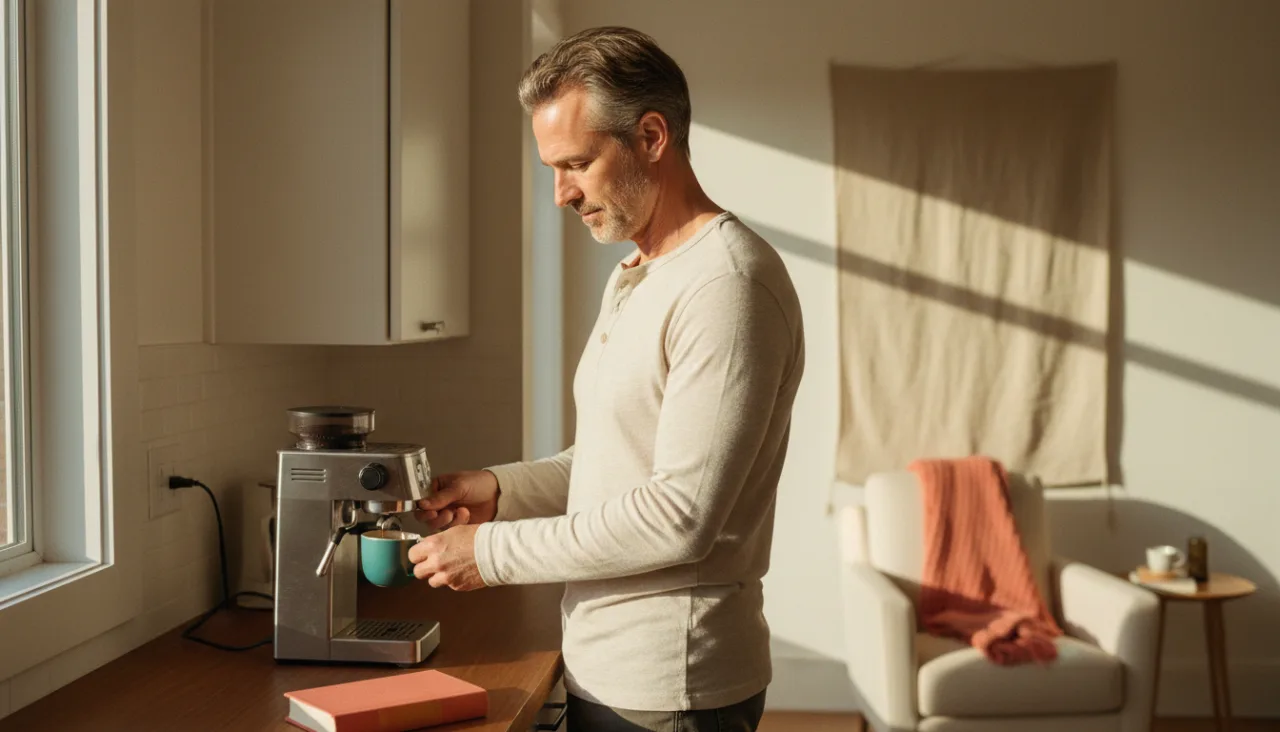
Sarcopenia prevention: what every man over 50 should know
Strength is a use-it-or-lose-it system. Here's how to keep it.
TL;DR
- Sarcopenia is age-related muscle loss. It starts quietly, often earlier than people expect, and speeds up in later decades if you don't actively counter it.
- Resistance training and adequate protein are the two core interventions — both are well-supported in published trials.
- A simple grip strength test, walking speed, and DEXA scan tell you where you stand.
What it is
Sarcopenia (in plain English: the gradual loss of muscle mass and strength that comes with aging) is one of the quietest health threats in midlife. A European expert consensus describes it as a muscle disease rooted in changes that build up across a lifetime. It is common in older adults but can start earlier (Cruz-Jentoft et al., 2019). The loss is gradual enough that most people don't notice until something tips them off — a struggle to get up from a low chair, a heavy grocery bag that suddenly feels heavier.
How it works
Muscle is like a savings account. Every workout, every protein-rich meal makes a deposit. Every sedentary week, every skipped meal, every illness makes a withdrawal. In your 20s, your account fills back up easily. After 50, deposits are smaller and withdrawals stick. The thermostat that builds and maintains muscle — driven by hormones, nutrition, and mechanical load — runs cooler with age. The good news: the thermostat still works. It just takes a stronger signal.
Who asks about it
People come to this topic when they notice a strength loss that feels different from "getting older." A father who can't keep up with his kids on a hike. A man who used to lift heavy and now feels weaker on the same routine. Sometimes it's a wake-up call from a fall, a fracture, or a parent's mobility decline.
What the research says
Resistance training (2–3 sessions per week, progressive load) and protein intake commonly recommended at about 1.2 to 1.6 grams per kilogram of body weight per day are well-supported interventions in the published literature. Adding power-based movements — quick, explosive lifts — may help preserve the fast-twitch fibers, which tend to decline first. Sarcopenia is common in older adults.
What to know before considering it
Prevention is cheaper than recovery. Once muscle is lost, getting it back takes longer than it took to lose. Annual screening — DEXA scan, grip strength, walking speed — gives you a number to track. If labs reveal low testosterone or hormonal contributors, those should be addressed alongside the lifestyle work.
The Halftime POV
Strength in your 70s is built by the training you do now. Sarcopenia isn't inevitable — but it is unforgiving if you ignore it. We help build the lab and training plan that catches it early.
Related reading:
- Sarcopenia explained: the muscle loss most people miss
- Peptides for men in midlife: a framework for starting smart
- DEXA body composition scans and peptide protocols
FAQ
Q: What is sarcopenia? A: Sarcopenia is age-related loss of muscle mass and strength. It can begin earlier in adulthood than most people expect and tends to speed up in later decades if not actively countered.
Q: How do you prevent sarcopenia? A: The two best-supported interventions are resistance training (2–3 sessions per week) and adequate protein intake (commonly recommended at about 1.2–1.6 g/kg/day for older adults).
Q: How can you tell if you have sarcopenia? A: A grip strength test, walking speed, and DEXA body composition scan are common screens. A physician can interpret them in context.
Disclaimer
This article is educational and is not medical advice. Compounded medications are not FDA-approved. Clinical outcomes depend on individual factors and require physician evaluation. Results vary.
Get started
We share what we learn along the way — the research, the regulations, the real-world trade-offs. Get started with Halftime Health.
Sources
- Cruz-Jentoft AJ, et al. Sarcopenia: revised European consensus on definition and diagnosis. Age Ageing. (PubMed, 2019)
- CDC. Physical activity for older adults. (CDC.gov)
Frequently asked questions
What is sarcopenia?
Sarcopenia is age-related loss of muscle mass and strength. It can begin earlier in adulthood than most people expect and tends to speed up in later decades if not actively countered.
How do you prevent sarcopenia?
The two best-supported interventions are resistance training (2–3 sessions per week) and adequate protein intake (commonly recommended at about 1.2–1.6 g/kg/day for older adults).
How can you tell if you have sarcopenia?
A grip strength test, walking speed, and DEXA body composition scan are common screens. A physician can interpret them in context.
Keep reading
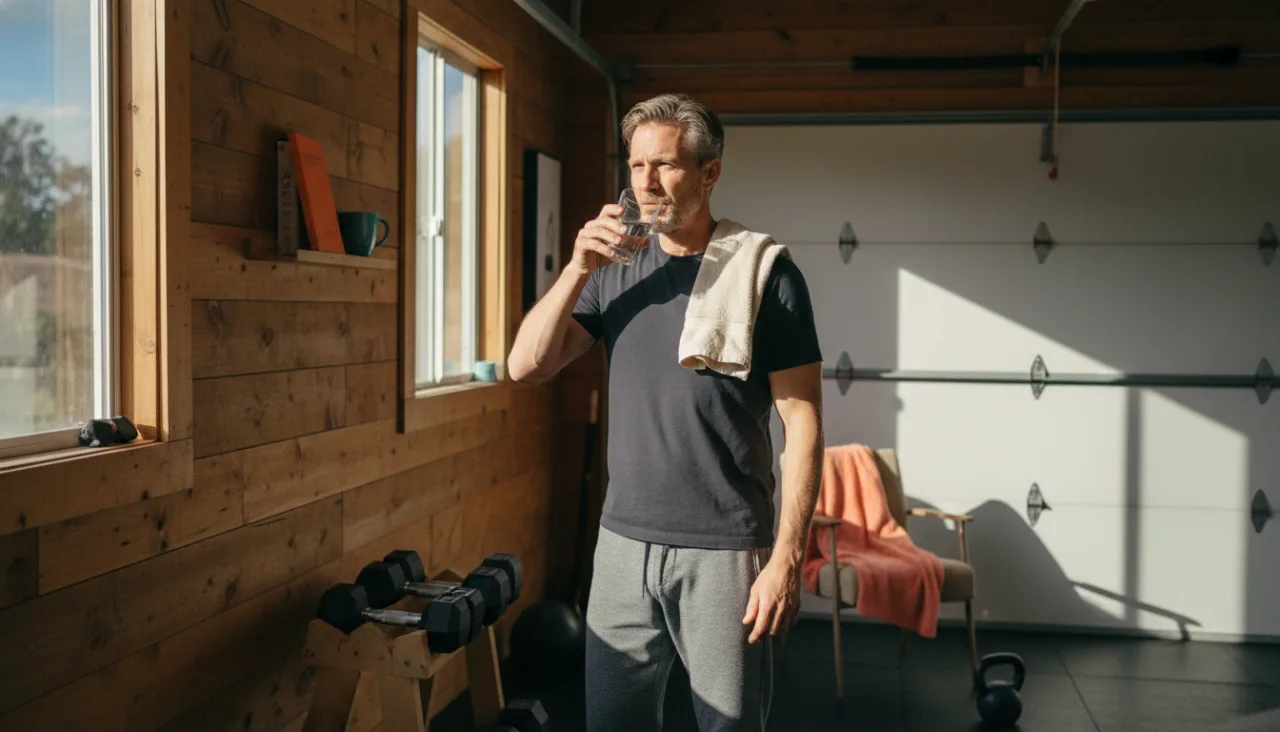



A licensed physician reviews your labs and builds your protocol.
Membership from $39/mo, or $390 for the year, including your onboarding panel. Each protocol is its own monthly subscription.