
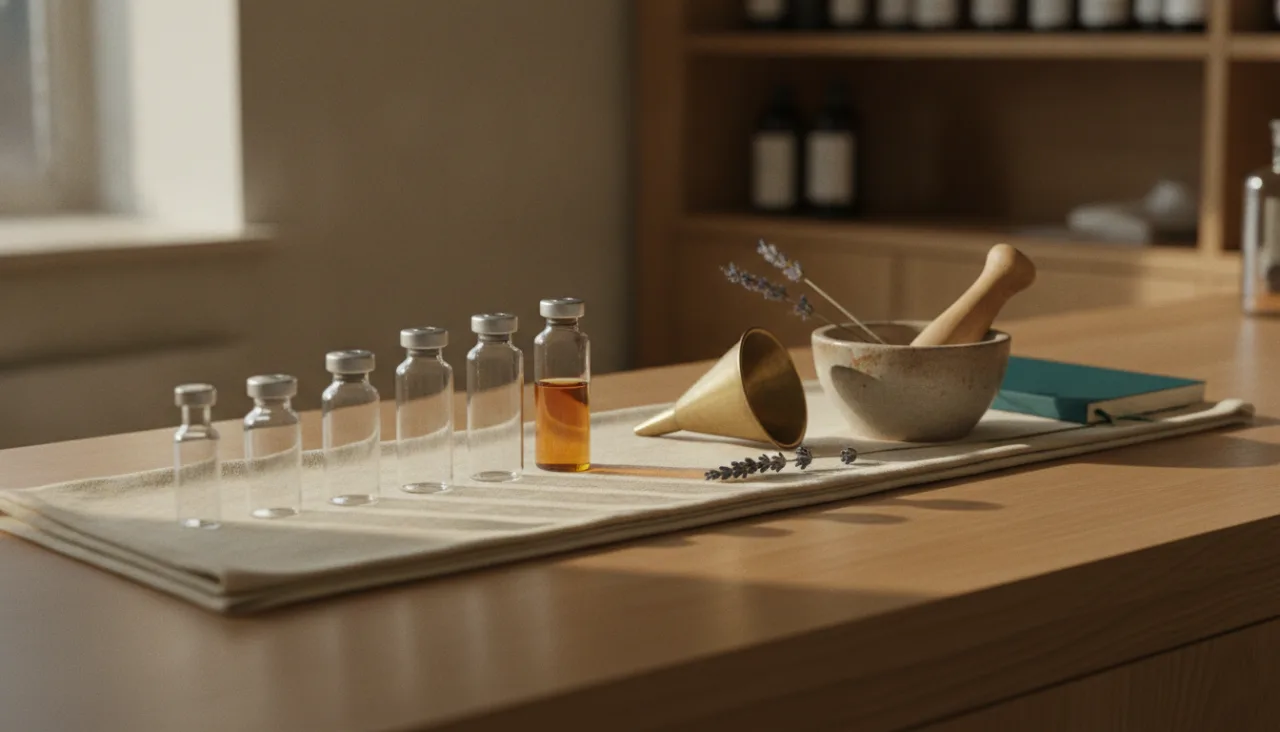
Single-dose vs multi-dose vials: what the difference means
Two vial types look similar on the outside — but they follow different rules for safety, storage, and when to discard.
TL;DR
- Single-dose vials contain no preservative and are meant for one patient, one time — any leftover must be discarded.
- Multi-dose vials contain an antimicrobial preservative that allows repeated entry, but only with a fresh needle and syringe each time.
- Knowing which vial type you have tells you exactly how to store it and when it must be thrown out.
What single-dose vials are
A single-dose vial (in plain English: a vial meant for one patient, one use) is a sealed, sterile container labeled "single-dose" or "single-use." It holds enough medication for one injection — no more.
The defining feature is what is absent: no antimicrobial preservative (in plain English: an ingredient that limits germ growth). Without that chemical backstop, the moment the rubber stopper is punctured, the clock starts. Any portion of the medication not used right away must be discarded.
Think of it like a sealed single-serving cup of coffee creamer. Once you tear the foil, you use what you need and throw the rest away. There is no lid and no design for tomorrow.
What is a multi-dose vial
A multi-dose vial holds enough parenteral (in plain English: injectable) medication for several separate doses. It contains an antimicrobial preservative — commonly benzyl alcohol, phenol, or thimerosal — that slows microbial growth between entries.
Because of that preservative, a multi-dose vial can be entered more than once. But the rules are strict. According to CDC injection safety guidance, 2024, every entry must use a fresh, sterile needle and syringe. The vial must also be stored correctly and discarded by its beyond-use date (BUD — in plain English: the date after which the medication should not be used).
What is the difference between single-dose and multi-dose vials
The difference comes down to preservative and purpose.
Single-dose vials: no preservative, one patient, one time, discard immediately after use. Multi-dose vials: contains a preservative, multiple entries allowed, fresh needle required every time, governed by a BUD.
The CDC, 2024 notes that single-dose vials are preferred when a medication will be given to more than one patient, because reusing a single-dose vial across patients has caused infection outbreaks in clinical settings.
Why the difference matters for injection safety
For anyone self-administering a compounded peptide at home, knowing your vial type is a practical safety check.
If your vial is labeled single-dose, use it once and discard any remainder — even if the vial looks full. If your vial is a multi-dose, replace the needle every time, store it as directed, and track the beyond-use date on the label.
When in doubt, your dispensing pharmacy and prescribing clinician are the right people to ask. Education only — this post describes general principles, not instructions for your specific medication.
Related reading:
- Beyond-use dating: how long a compounded medication stays good
- Vial coring: what it is and how to prevent it
- Particulate inspection: why vials are checked against light
- Endotoxin testing: the safety check beyond sterility
- Third-party testing for peptides: what verification actually looks like
FAQ
What is a single-dose vial? A single-dose vial is a sealed container labeled for one-time use by one patient. It typically contains no antimicrobial preservative, so once the stopper is punctured the vial must be used immediately and any leftover medication discarded.
What is a multi-dose vial? A multi-dose vial holds enough medication for several injections and contains an antimicrobial preservative — an ingredient that limits germ growth between uses. It can be entered more than once, but only with a fresh needle and syringe each time, per CDC guidance.
What is the difference between single-dose and multi-dose vials? The core difference is preservative and intent. Single-dose vials have no preservative and are meant for one patient, one time. Multi-dose vials contain a preservative and allow repeated entry — but introduce more contamination risk if not handled correctly.
Disclaimer
This article is educational and is not medical advice. Compounded medications are not FDA-approved. Clinical outcomes depend on individual factors and require physician evaluation. Results vary. Halftime Health is launching soon — join the waitlist to get updates.
Get updates
Halftime Health is launching soon. We'll share what we learn along the way — the research, the regulations, the real-world trade-offs. Join the waitlist and we'll email you when we're live.
Sources
Frequently asked questions
What is a single-dose vial?
A single-dose vial is a sealed container labeled for one-time use by one patient. It typically contains no antimicrobial preservative, so once the stopper is punctured the vial must be used immediately and any leftover medication discarded.
What is a multi-dose vial?
A multi-dose vial holds enough medication for several injections and contains an antimicrobial preservative — an ingredient that limits germ growth between uses. It can be entered more than once, but only with a fresh needle and syringe each time, per CDC guidance.
What is the difference between single-dose and multi-dose vials?
The core difference is preservative and intent. Single-dose vials have no preservative and are meant for one patient, one time. Multi-dose vials contain a preservative and allow repeated entry — but introduce more contamination risk if not handled correctly.
Keep reading
A licensed physician can build a protocol from your own labs.
Membership from $69/mo, including your onboarding panel. Each protocol is its own monthly subscription.