

Traveling with peptides: cold chain, TSA, and dosing on the road
A planned trip is a calm trip — three quick decisions before you pack.
TL;DR
- Most prescription peptides need refrigeration. Plan the cold chain (in plain English: the unbroken cold storage from your fridge at home to your fridge at destination) before you leave.
- TSA allows medications, syringes, and ice packs in carry-on luggage with documentation. Declare them at screening.
- Time-zone shifts may need a small dosing adjustment. Confirm with your prescribing clinician before the trip.
What it is
"Traveling with peptides" is the everyday logistics question almost every patient has after their first vial: what happens when you leave home. Most prescription peptides are dispensed reconstituted (in plain English: mixed from powder into liquid form) and stored in a refrigerator. The molecule is generally stable at room temperature for short periods but degrades faster the warmer it gets. The job on a trip is to keep the cold chain intact.
How it works
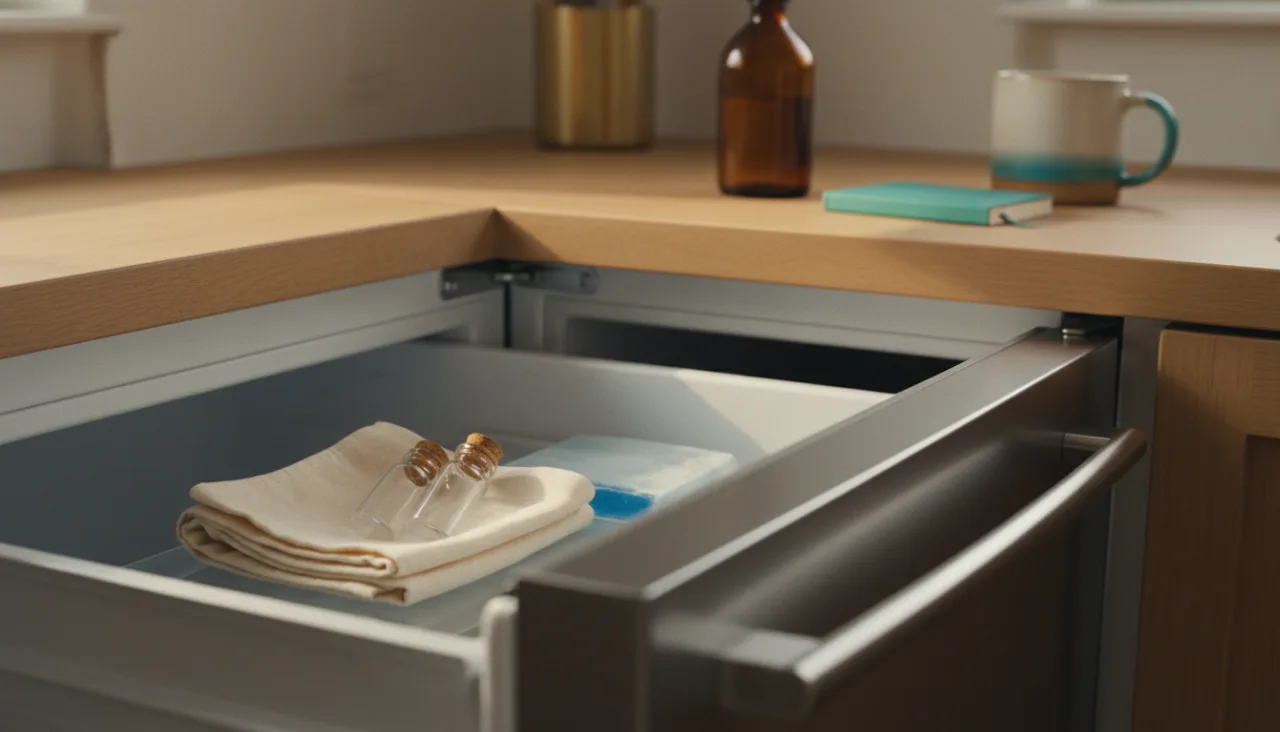
Think of a peptide vial like a chocolate bar. At fridge temperature, it stays exactly the way you bought it. At room temperature, it is still fine for a while — but the clock is running. In a hot car, it spoils fast. The travel kit is the cooler that buys you time. An insulated medication case with two frozen gel packs holds fridge-equivalent temperatures for 24 to 36 hours. That is usually enough for a transatlantic flight plus the first hotel check-in.
Who asks about it
People come to this topic before a vacation, a business trip, or a relocation. They want a practical checklist: what to pack, what to declare, what to ask the clinician about dosing across time zones. They are not looking for theory. They want a calm yes-this-works answer.
What the research says
TSA travel guidance allows medically necessary items including syringes, vials, and ice packs in carry-on luggage with appropriate documentation (TSA medical conditions guidance, 2024). Studied storage stability for most peptide preparations supports refrigeration for the labeled stability window. Compounded peptide stability follows USP 797 sterile compounding standards documented by the dispensing pharmacy (FDA compounding Q&A, 2024). International travel rules vary by country — some destinations require additional declaration.
What to know before considering it
Always carry peptides in carry-on luggage — checked baggage is exposed to cargo-hold temperature swings. Bring the prescription label on the vial and a copy of the prescription. For international trips, check destination-country medication import rules before flying. Some hotels do not provide in-room fridges; ask before booking. Use a hotel freezer to recharge gel packs the morning of departure. Individual response varies — confirm timing changes with your prescribing clinician.
The Halftime POV
We treat travel logistics as a baseline part of peptide protocols, not an afterthought. A planned trip should not derail a protocol that took weeks to set up. Bring the documentation, plan the cold chain, and ask the clinician about time-zone dosing one week before departure. Calm trip, calm protocol.
Related reading:
- Peptide storage and cold chain basics
- How peptides are reconstituted
- How to give your first peptide injection
- Injection site rotation: why it matters
FAQ
Q: Can I fly with peptide injections? A: Yes. TSA explicitly allows medications, syringes, and ice packs in carry-on luggage with documentation. Declare them at screening rather than packing in checked luggage.
Q: How do I keep peptides cold on a long flight? A: An insulated medication travel case with two frozen gel packs typically holds temperature for 24 to 36 hours. Top up the gel packs at hotel freezers when you arrive.
Q: Should I dose on the new time zone or my home time zone? A: Most clinicians say switch to the new time zone on day one or two and dose at the equivalent time. Confirm with your prescriber before traveling — it depends on the peptide.
Q: What documentation should I bring? A: Bring the prescription label on the vial, a copy of the prescription, and your clinician's contact information. Some international destinations require additional documentation.
Disclaimer
This article is educational and is not medical advice. Compounded medications are not FDA-approved. Clinical outcomes depend on individual factors and require physician evaluation. Results vary. Halftime Health is launching soon — join the waitlist to get updates.
Get updates
Halftime Health is launching soon. We'll share what we learn along the way — the research, the regulations, the real-world trade-offs. Join the waitlist and we'll email you when we're live.
Sources
Frequently asked questions
Can I fly with peptide injections?
Yes. TSA explicitly allows medications, syringes, and ice packs in carry-on luggage with documentation. Declare them at screening rather than packing in checked luggage.
How do I keep peptides cold on a long flight?
An insulated medication travel case with two frozen gel packs typically holds temperature for 24 to 36 hours. Top up the gel packs at hotel freezers when you arrive.
Should I dose on the new time zone or my home time zone?
Most clinicians say switch to the new time zone on day one or two and dose at the equivalent time. Confirm with your prescriber before traveling — it depends on the peptide.
What documentation should I bring?
Bring the prescription label on the vial, a copy of the prescription, and your clinician's contact information. Some international destinations require additional documentation.
Keep reading

A licensed physician can build a protocol from your own labs.
Membership from $69/mo, including your onboarding panel. Each protocol is its own monthly subscription.