
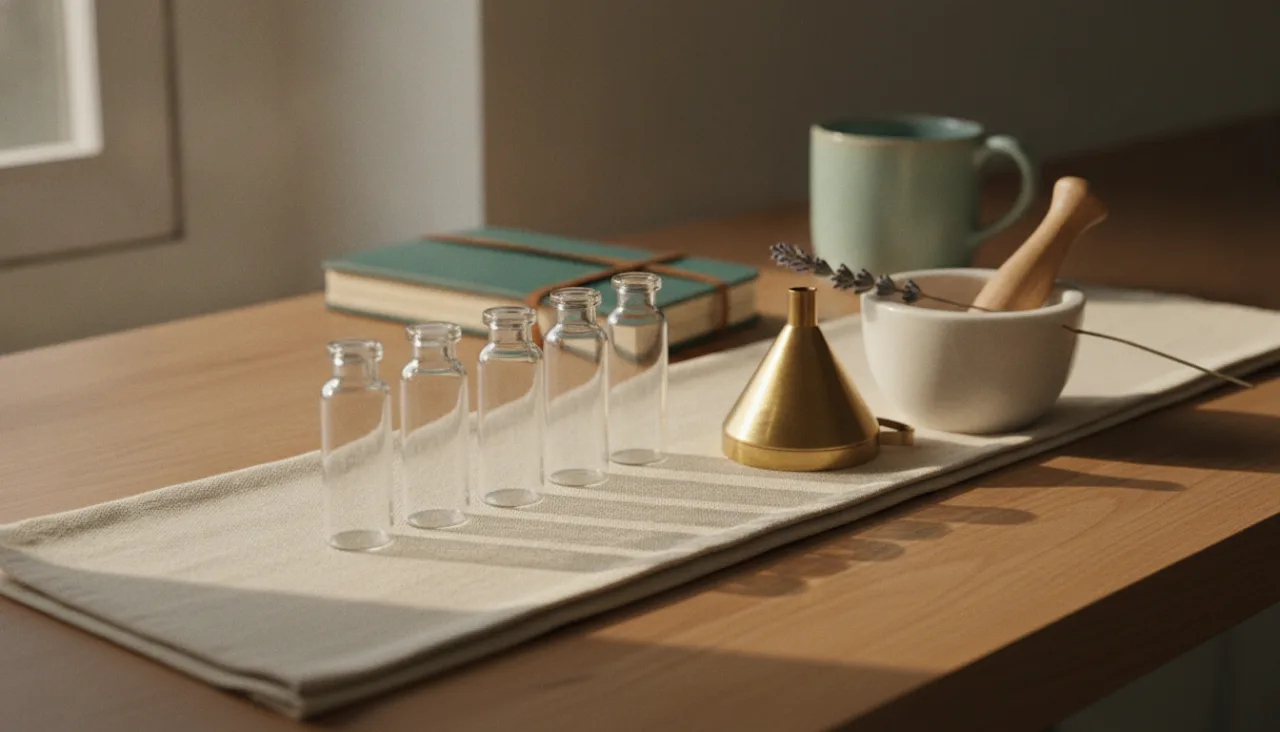
Sterile filtration: how a 0.22-micron filter works
Injectable drugs have to be sterile. When heat is not an option, a 0.22-micron membrane filter does the job. Here is how it works.
TL;DR
- Sterile filtration removes bacteria from a liquid drug by passing it through a membrane with 0.22-micron pores — no heat required.
- The FDA requires this pore size as the standard for sterilizing-grade filters used in aseptic processing.
- Compounded peptide injectables rely on this step because peptides break down at high temperatures.
What sterile filtration is
Sterile filtration is the step that removes bacteria from a liquid drug without using heat. Many peptides break down if you heat them. So manufacturers use a membrane filter instead. The result is a sterile fluid ready for injection. Without this step, injectable compounded drugs would be unsafe to use.
How sterile filtration works
A membrane filter works like a coffee filter — but far finer. Your coffee filter catches grounds. A sterile filter is so fine that even bacteria cannot pass through it. The pores are just 0.22 microns wide. One micron is one-thousandth of a millimeter. A human hair is about 70 microns wide. That puts the filter pore at roughly 1/300th the width of a human hair. Bacteria are typically one to ten microns in size. They simply cannot squeeze through.
Who asks about sterile filtration
Patients who ask about injectable peptides often wonder how a pharmacy can achieve sterility without boiling the drug. Heat sterilization is common for simple fluids like saline. But peptides are heat-sensitive proteins. High temperatures destroy their structure. Sterile filtration solves that problem without damaging the compound.
What the guidance says
The FDA sets the standard for what counts as a sterilizing-grade filter. That standard requires a pore size of 0.22 microns or smaller (FDA, 2004). Size alone is not enough. The filter must also pass a challenge test. It must remove a heavy load of a small test bacterium called Brevundimonas diminuta. The test load is at least 10 million organisms per square centimeter of filter area (FDA, 2004). Only a filter that passes that challenge earns the sterilizing-grade rating. Many filters look similar. Only validated ones meet FDA standards.
What to know
Compounding pharmacies that make injectables must follow current good manufacturing practice, or cGMP. That means using validated, sterilizing-grade filters. It also means testing the fluid before and after filtration. The step before the filter is called bioburden testing. It counts how many organisms are in the liquid. A lower count before filtration makes the filter's job more reliable.
The Halftime POV
A certificate of analysis, or CoA, from a licensed pharmacy should confirm sterility testing results. If a pharmacy cannot provide that document, that is a red flag. At Halftime Health, every compounded product we source comes through pharmacies following FDA aseptic processing guidance. We verify that before recommending any pharmacy to members.
Related reading:
- Sterility testing for compounded peptides
- What happens inside a compounding pharmacy
- From API to vial: how compounding works
- How to read a certificate of analysis
- Single-dose vs. multi-dose vials explained
FAQ
What is sterile filtration?
Sterile filtration is the process of passing a liquid drug through a very fine membrane filter to remove bacteria. It is used when a drug cannot be heat-sterilized, as is the case with many peptides.
What does a 0.22 micron filter do?
A 0.22-micron filter has pores small enough to trap bacteria before they can pass through. The FDA specifies this pore size as the standard for sterilizing-grade filters used in injectable drug production.
How does sterile filtration work?
The liquid drug is pushed through a membrane with 0.22-micron pores under controlled pressure. Bacteria cannot fit through the pores and are removed. The filtered fluid is then handled under aseptic, or germ-free, conditions to maintain sterility.
Disclaimer
This article is educational and is not medical advice. Compounded medications are not FDA-approved. Clinical outcomes depend on individual factors and require physician evaluation. Results vary. Halftime Health is launching soon — join the waitlist to get updates.
Get updates
Halftime Health is launching soon. We'll share what we learn along the way — the research, the regulations, the real-world trade-offs. Join the waitlist and we'll email you when we're live.
Sources
Frequently asked questions
What is sterile filtration?
Sterile filtration is the process of passing a liquid drug through a very fine membrane filter to remove bacteria. It is used when a drug cannot be heat-sterilized, as is the case with many peptides.
What does a 0.22 micron filter do?
A 0.22-micron filter has pores small enough to trap bacteria before they can pass through. The FDA specifies this pore size as the standard for sterilizing-grade filters used in injectable drug production.
How does sterile filtration work?
The liquid drug is pushed through a membrane with 0.22-micron pores under controlled pressure. Bacteria cannot fit through the pores and are removed. The filtered fluid is then handled under aseptic (germ-free) conditions to maintain sterility.
Keep reading

A licensed physician can build a protocol from your own labs.
Membership from $69/mo, including your onboarding panel. Each protocol is its own monthly subscription.